What Is Cross-Docking?
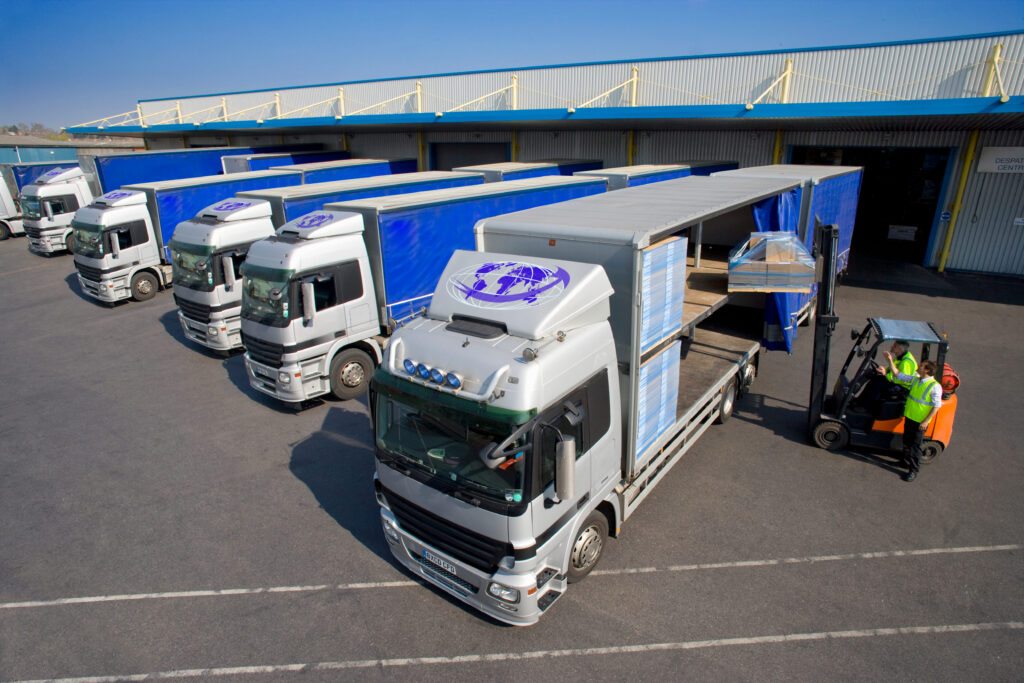
Cross-docking is a logistics process where products are transferred directly from inbound shipments to outbound transportation with little or no storage time. Instead of placing goods into warehouse storage and handling them again later, products move quickly from receiving to shipping.
This approach helps businesses reduce handling, lower storage costs, and improve delivery speed when shipments are properly coordinated.
How Cross-Docking Works
Cross-docking turns a warehouse into a transfer point rather than a long-term storage location. The goal is to receive products, organize them by destination, and move them onto outbound transportation as efficiently as possible.
Step 1: Inbound Shipment Receiving
Products arrive at the cross-docking facility through trucks, containers, or consolidated shipments. The shipment is reviewed, checked, and prepared for the next stage of movement.
Step 2: Sorting and Staging
After unloading, products are moved to a staging area where they are organized based on destination, customer requirements, delivery routes, or shipment schedules.
Some shipments may move directly from inbound receiving to outbound transportation, while others may require sorting and consolidation before shipping.
Step 3: Outbound Shipping
Once products are prepared, they are loaded onto outbound trucks and delivered to their final destinations, including retail locations, distribution centers, or customers.
Cross-docking minimizes storage time and helps businesses move products faster through the supply chain.
Types of Cross-Docking
Pre-Distribution Cross-Docking
Products arrive already labeled and organized for specific destinations. The facility transfers shipments directly to outbound transportation with minimal handling.
Post-Distribution Cross-Docking
Products arrive without final routing details. The facility sorts and organizes inventory before sending shipments to their destinations.
Retail Cross-Docking
Multiple supplier shipments are combined and organized for retail distribution, allowing stores to receive products efficiently through coordinated deliveries.
Manufacturing Cross-Docking
Components from different suppliers are consolidated and delivered to manufacturing operations to support efficient production schedules.
Cross-Docking vs Traditional Warehousing
Cross-docking and traditional warehousing serve different business needs.
| Cross-Docking | Traditional Warehousing |
|---|---|
| Products move quickly through the facility | Products are stored for longer periods |
| Minimal handling | Multiple storage and handling steps |
| Best for fast-moving inventory | Best for flexible inventory storage |
| Requires strong coordination | Provides long-term storage flexibility |
Businesses often use both solutions together — cross-docking for fast-moving products and warehousing for inventory that requires storage.
Who Benefits From Cross-Docking?
Retail Businesses
Retailers with multiple locations can use cross-docking to consolidate products, organize shipments, and improve store delivery efficiency.
Importers
Importers with planned distribution routes can move products from incoming shipments directly toward their final destinations, reducing unnecessary storage and handling.
Ecommerce Businesses
Brands with pre-sold inventory, subscription shipments, or scheduled deliveries can benefit from faster product movement.
Manufacturers
Manufacturers can use cross-docking to receive components from suppliers and move them quickly into production workflows.
When Cross-Docking Is Not the Right Choice
Cross-docking may not be suitable when:
- Product demand is unpredictable.
- Inventory needs long-term storage.
- Shipments require inspection, repackaging, labeling, or additional processing.
- Incoming and outgoing shipment schedules cannot be coordinated.
In these situations, traditional warehousing provides more flexibility.
Cross-Docking vs Transloading
Cross-docking focuses on moving products from inbound transportation to outbound transportation without changing the product.
Transloading involves moving goods between different transportation methods, such as transferring products from international shipping containers into domestic transportation vehicles.
Both solutions help businesses improve supply chain efficiency but serve different operational needs.
What To Look For In A Cross-Docking Partner
When choosing a cross-docking provider, businesses should consider:
Efficient Facility Setup
A suitable cross-docking facility should support fast product movement with organized receiving and shipping areas.
Strong Coordination
Successful cross-docking requires accurate shipment information, proper scheduling, and communication between all parties.
Reliable Transportation Support
Coordinated carrier relationships help ensure products move smoothly from receiving to final delivery.
Technology & Tracking
Modern systems help improve visibility, monitor shipment movement, and maintain accurate operational records.
Frequently Asked Questions
What is cross-docking in simple terms?
Cross-docking is a process where products arrive at a facility, are sorted quickly, and shipped to their next destination with little or no storage time.
What are the benefits of cross-docking?
Cross-docking helps reduce storage costs, minimize product handling, improve delivery speed, and create a more efficient supply chain.
Is cross-docking suitable for ecommerce businesses?
Yes, especially for pre-planned shipments, subscription boxes, and products with known delivery destinations.
What is the difference between cross-docking and warehousing?
Cross-docking focuses on fast product movement, while warehousing provides storage and inventory management for longer periods.
Can cross-docking support retail distribution?
Yes. Cross-docking helps retailers organize shipments, consolidate products, and improve delivery efficiency across multiple locations.
How do I know if my business needs cross-docking?
Cross-docking works best when shipments have predictable destinations, consistent volume, and coordinated inbound and outbound schedules.
Improve Your Supply Chain With Cross-Docking
JNJ Warehouse provides flexible logistics solutions designed to help businesses move products efficiently, reduce unnecessary handling, and improve supply chain performance.
Whether you need cross-docking, warehousing, or fulfillment support, our team can help create a solution based on your operational needs.